

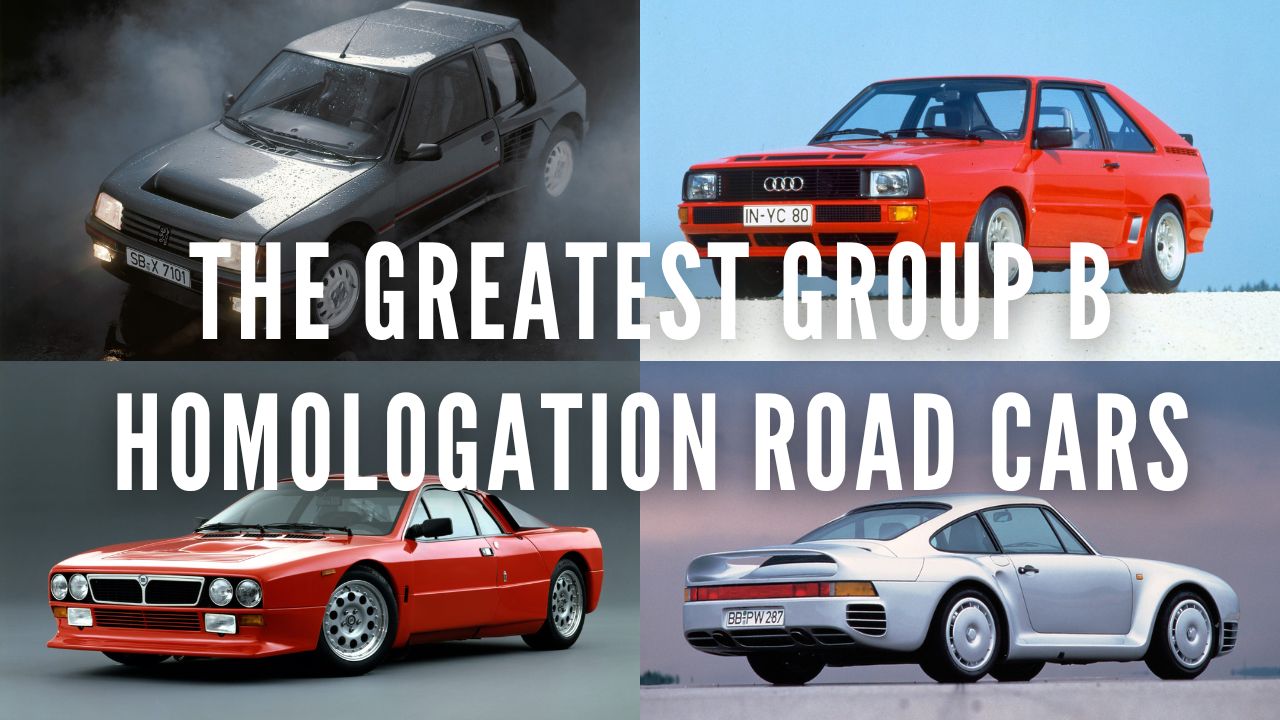
Introduced for the 1982 season, Group B rallying was conceived by the FIA as a more liberal alternative to the tightly controlled Group 4 and Group 5 categories. The regulations required manufacturers to build just 200 road-going examples for homologation, with limited restrictions on power, weight or drivetrain layout. What followed was a brief but ferocious arms race, as manufacturers exploited the rules to create ever more specialised rally machines.
By the mid-1980s, outputs in excess of 500 bhp were commonplace in competition, with lightweight composite structures and increasingly sophisticated four-wheel-drive systems. The road cars built to legitimise these machines were often little more than thinly disguised competition cars, sold in small numbers to enthusiasts willing to tolerate compromised interiors, awkward drivability and eye-watering price tags.
Group B’s downfall was as rapid as its ascent. A series of fatal accidents in 1986 exposed the category’s inherent dangers, and the FIA moved to ban Group B outright at the end of that season. Yet its legacy endures most vividly through the homologation specials it produced. These road cars remain some of the most extreme ever offered for public sale, designed not as marketing exercises but as regulatory necessities, and they provide a unique window into a period when rallying briefly pushed beyond conventional limits.
Peugeot 205 Turbo 16
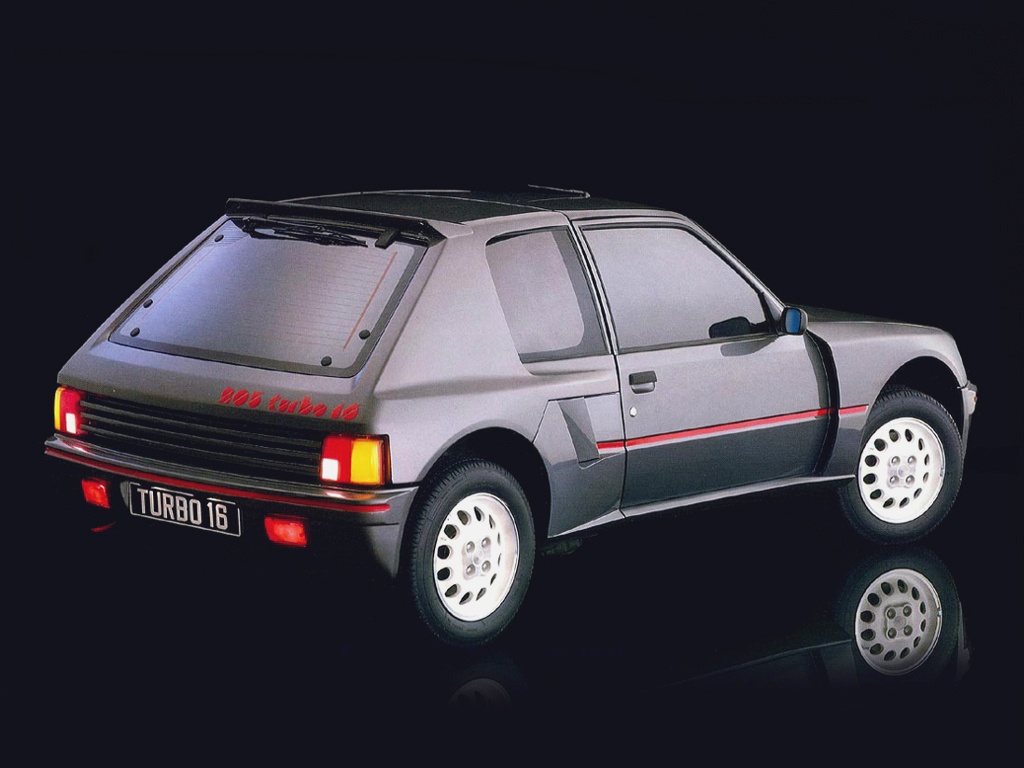
Although outwardly similar to the standard Peugeot 205, the Turbo 16 was effectively a bespoke competition car engineered to exploit Group B regulations to their fullest. The bodyshell was extensively reworked, with a tubular rear subframe housing a mid-mounted, turbocharged 1.8-litre four-cylinder engine, mounted transversely and driving all four wheels through a central viscous coupling. In road trim, output was quoted at around 200 bhp, though boost was deliberately restrained for durability and emissions compliance.
Suspension was by unequal-length wishbones at each corner, with long travel designed to cope with rally stages rather than public roads. Weight distribution was close to 45:55 front to rear, contributing to the car’s neutral balance and traction. Interiors were sparsely trimmed, with basic instrumentation and limited sound insulation, reflecting the car’s homologation-first brief.
Peugeot produced just over the required 200 road cars, with early examples serving primarily to satisfy FIA scrutiny rather than customer demand. In competition, the design proved devastatingly effective, delivering World Rally Championship manufacturers’ titles in both 1985 and 1986. As a road car, the Turbo 16 remains one of the clearest expressions of Group B’s philosophy – a rally machine thinly disguised for the public highway.
Lancia Delta S4 Stradale
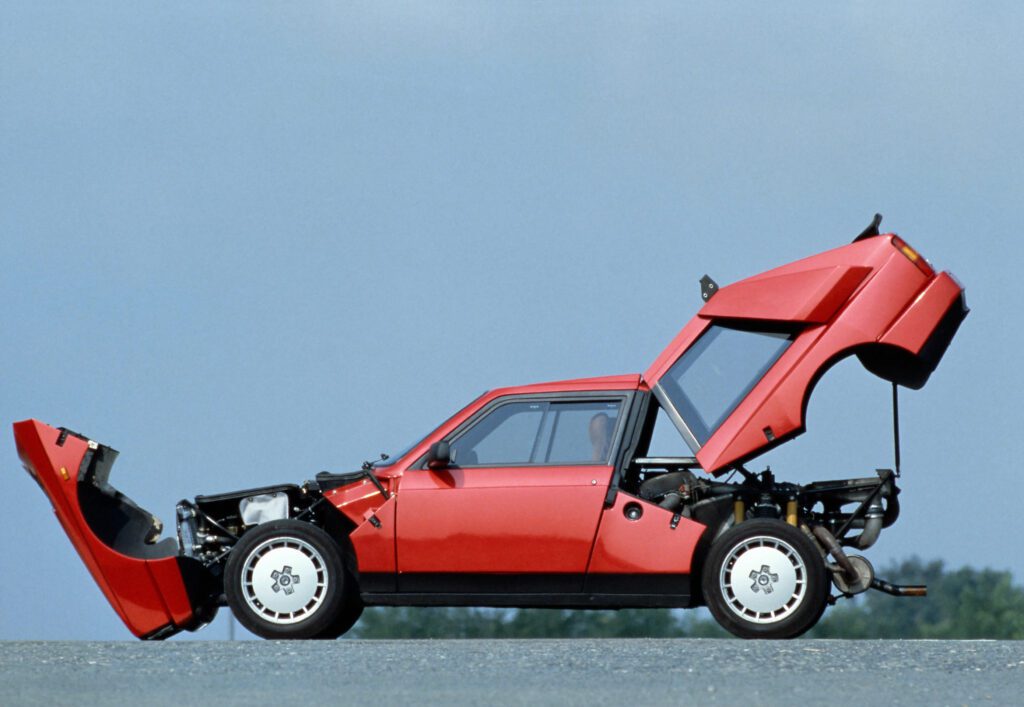
The Delta S4 Stradale represented the most extreme interpretation of the Group B homologation brief, conceived at a point when regulatory restraint had all but evaporated. Beneath its composite bodywork sat a mid-mounted 1.8-litre four-cylinder engine employing both a supercharger and a turbocharger – a complex twincharging system designed to deliver immediate throttle response at low revs and sustained boost at high engine speeds. In road form, output was quoted at around 250 bhp, though competition versions would far exceed that figure.
Power was transmitted to all four wheels through a permanent four-wheel-drive system, while the chassis relied heavily on lightweight materials to offset the drivetrain’s complexity. The Stradale’s interior was stark even by homologation standards, with minimal trim, exposed composite surfaces and little attempt at sound insulation or comfort.
Built in barely more than the required numbers, the Delta S4 Stradale felt closer to a prototype racer than a road car. It stands as the clearest example of Group B’s technological excess, and a sobering reminder of how rapidly the category outpaced conventional notions of safety and usability.
Audi Sport Quattro
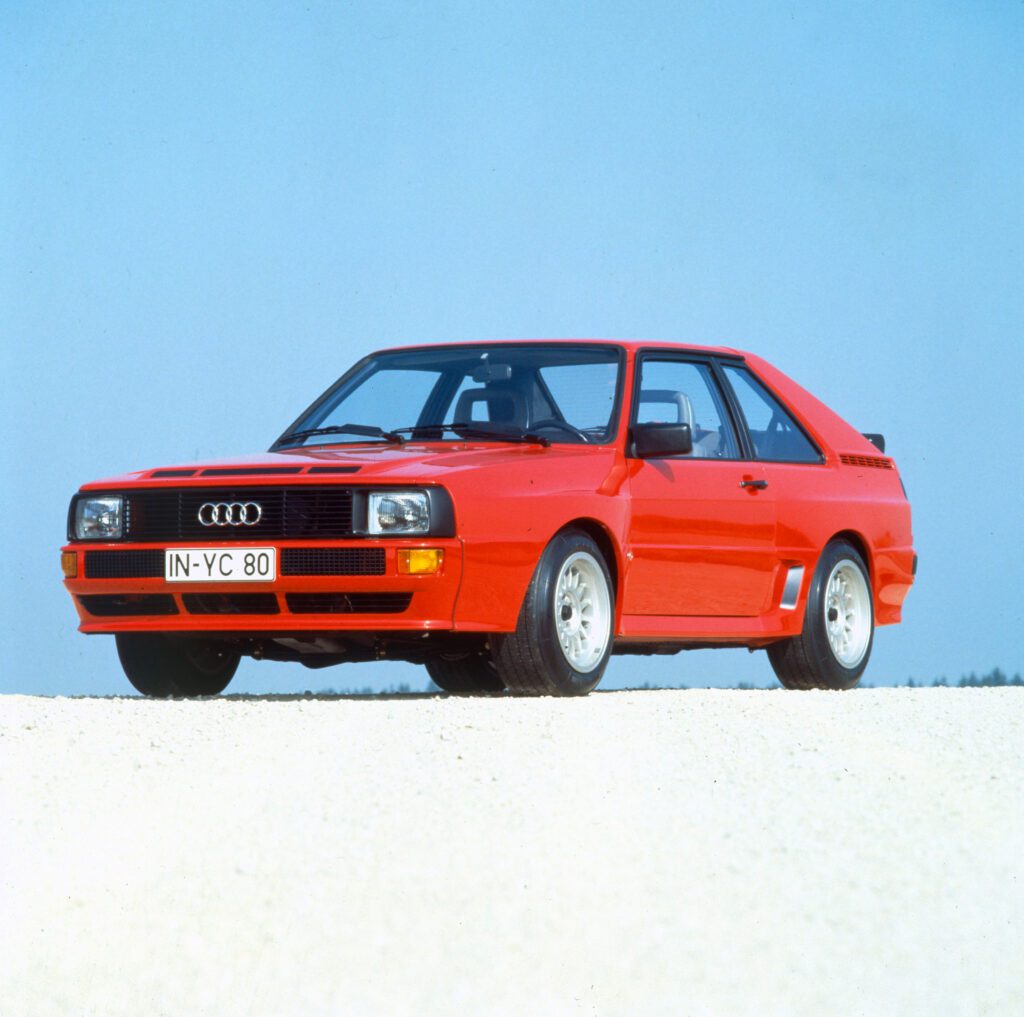
The Sport Quattro was Audi’s response to the escalating demands of Group B, distilling the lessons learned from the original quattro into a far more specialised machine. To improve agility on tight rally stages, Audi shortened the wheelbase by almost 320mm compared with the standard car, transforming both the handling balance and the packaging. Extensive use of Kevlar, aluminium and composite materials helped reduce weight, though the car remained heavier than some mid-engined rivals.
Power came from a turbocharged 2.1-litre five-cylinder engine producing just over 300 bhp in road trim, coupled to Audi’s permanent four-wheel-drive system. The engine’s distinctive firing order and boost characteristics gave the Sport Quattro its unmistakable character, while the drivetrain provided formidable traction in poor conditions.
Inside, the car was austere but not entirely spartan, reflecting Audi’s desire to maintain some road-car credibility despite the price and performance envelope. Built in small numbers and sold at considerable cost, the Sport Quattro was never intended for broad appeal, but it cemented four-wheel drive as the dominant force in rallying and reshaped Audi’s performance identity in the process.
Ford RS200
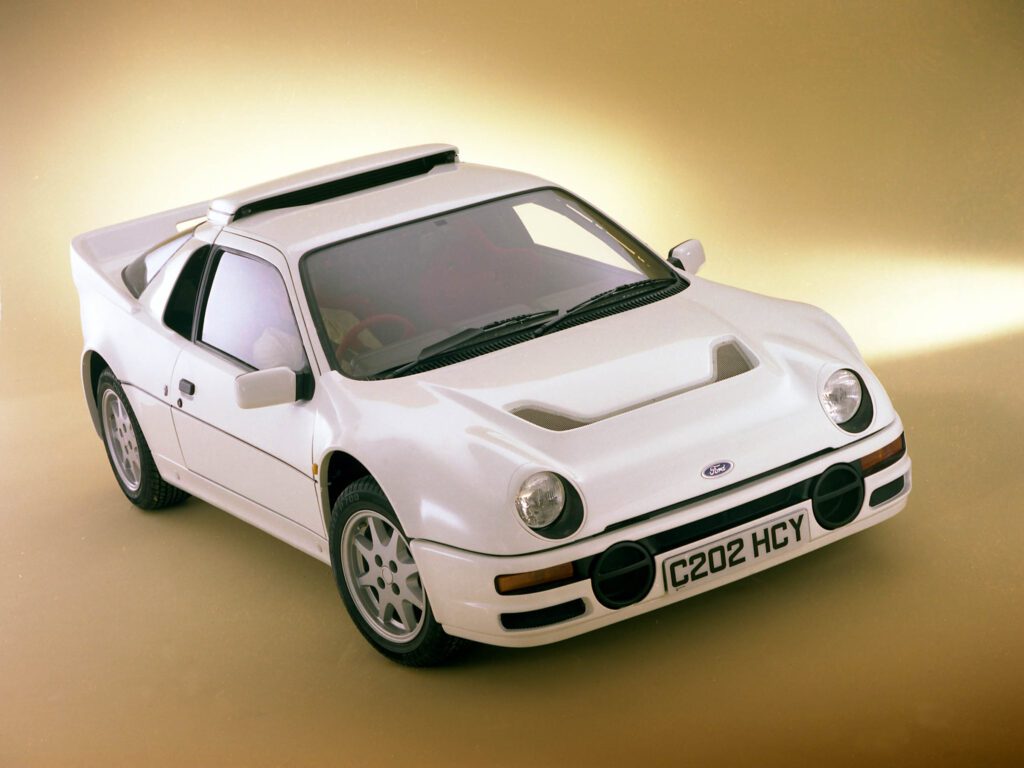
The RS200 was one of the few Group B machines conceived entirely from first principles, with no requirement to reference an existing production model. Its layout was dictated by competition needs alone, resulting in a mid-mounted, turbocharged 1.8-litre four-cylinder engine driving all four wheels through a complex transmission designed to optimise traction on loose surfaces. Road cars were detuned to around 250 bhp, while rally versions would later exceed 400 bhp.
The chassis employed a lightweight composite bodyshell over a tubular structure, with long-travel suspension at each corner and near-neutral weight distribution. Distinctive front and rear clamshell sections allowed rapid access for servicing, reflecting the car’s competition-first design philosophy. Although the RS200 arrived late in Group B’s lifespan and achieved limited results, the homologation cars stand as some of the most technically advanced road-going rally derivatives ever built, notable for their purity of intent rather than their competitive record.
MG Metro 6R4
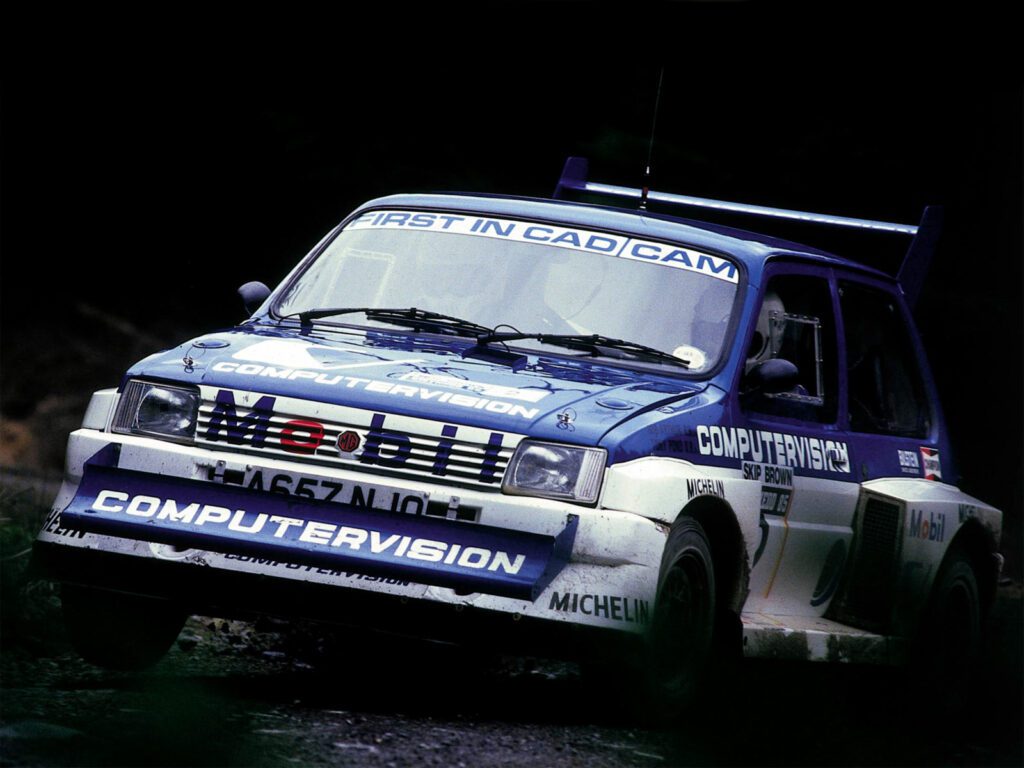
The Metro 6R4 followed a markedly different engineering philosophy to most late-era Group B cars, rejecting turbocharging in favour of a naturally aspirated 3.0-litre V6. Developed with Cosworth and mounted amidships, the engine prioritised throttle response and linear power delivery, producing around 250 bhp in road trim. Power was transmitted to all four wheels through a permanent four-wheel-drive system.
Beneath its squared-off composite bodywork sat a spaceframe chassis, with suspension geometry and drivetrain layout derived directly from the rally programme. The homologation cars were sparsely finished, with minimal sound insulation and interiors that reflected regulatory necessity rather than customer comfort. While its competition career was curtailed by the cancellation of Group B, the 6R4 remains one of the most distinctive homologation road cars of the era, defined by its unconventional mechanical choices and uncompromising character.
Porsche 959
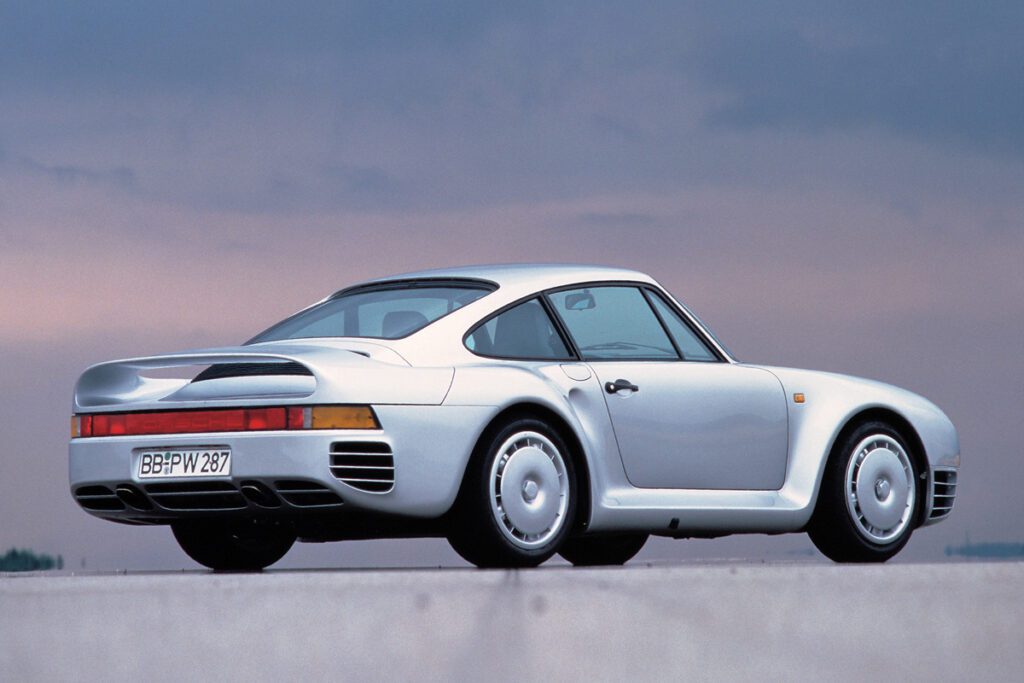
The 959 was conceived as Porsche’s ultimate Group B expression, though its competitive destiny was overtaken by events. Developed under the internal name ‘Gruppe B’, it was intended to contest the proposed FIA Group B circuit-racing series, a category that would have run alongside rallying but was ultimately abandoned before reaching fruition. With that programme cancelled, Porsche redirected the car towards rallying and long-distance competition, most notably the Paris–Dakar Rally.
At its heart was a twin-turbocharged 2.85-litre flat-six producing around 450 bhp in road trim, allied to an electronically controlled, variable four-wheel-drive system that could apportion torque between the axles depending on conditions. The chassis combined a steel monocoque with aluminium and composite body panels, while adjustable ride height and damping reflected its intended versatility across disciplines.
Unlike most Group B homologation cars, the 959 was engineered with genuine road usability in mind, offering climate control, trimmed interiors and remarkable stability at high speed. It arrived too late to race in Group B proper, but its technology would define the trajectory of high-performance road cars long after the category’s demise.
Ferrari 288 GTO
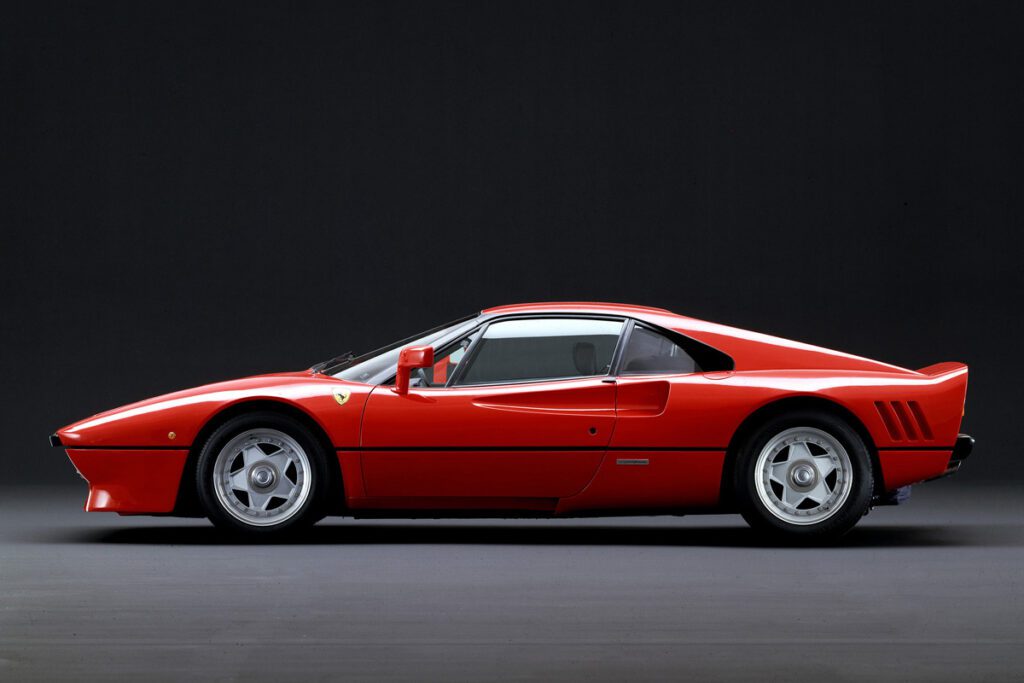
Ferrari’s first true homologation special was conceived to contest Group B in circuit racing rather than rallying, but the 288 GTO nonetheless sits squarely within the category’s regulatory framework. Based loosely on the 308 GTB, it featured a longitudinally mounted, twin-turbocharged 2.9-litre V8 producing around 400 bhp, driving the rear wheels through a five-speed manual gearbox.
Extensive use of composite materials helped keep weight in check, while the chassis was reinforced to handle sustained high-speed running. Ferrari planned to build 200 examples, though production eventually reached 272 as Group B collapsed. Although it never raced in anger under Group B regulations, the 288 GTO established a template for Ferrari’s later limited-production supercars and remains one of the most focused road cars the marque has produced.
Opel Manta 400
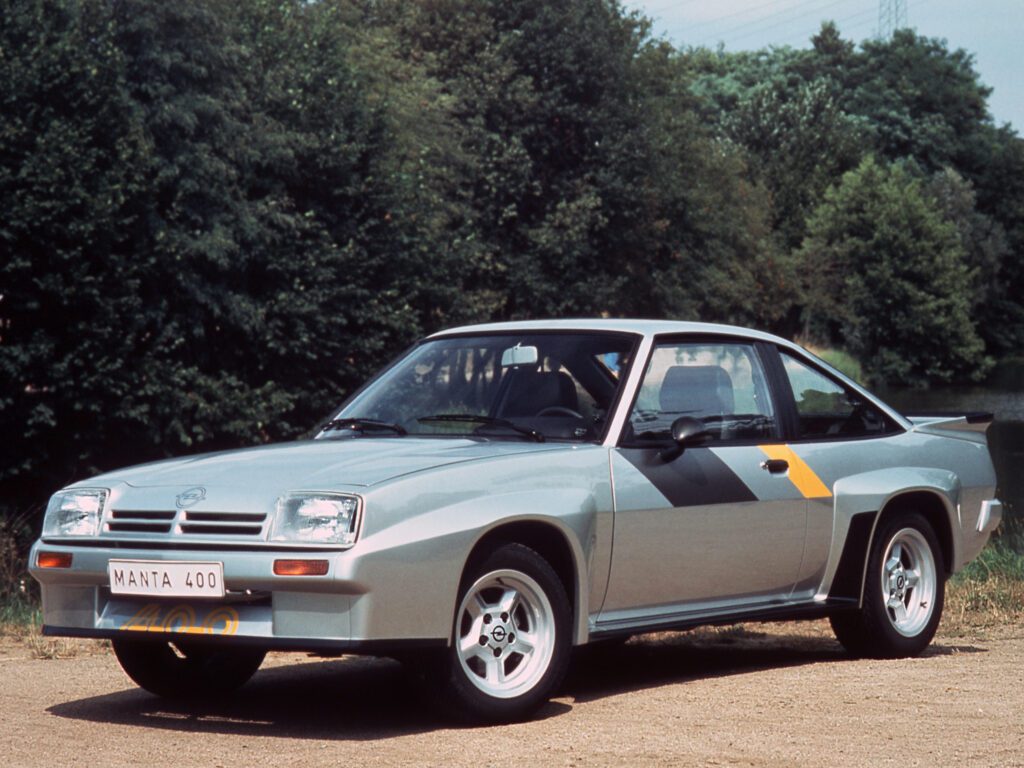
Opel’s Manta 400 represented a more traditional interpretation of Group B. Retaining rear-wheel drive and a front-mounted engine, it relied on robust engineering rather than radical layout. Its Cosworth-developed 2.4-litre four-cylinder engine produced around 144 bhp in road trim, with rally cars tuned significantly higher.
The homologation cars were relatively civilised, featuring proper interiors and conventional driving manners. While ultimately outpaced by four-wheel-drive rivals, the Manta 400 proved durable and competitive, particularly on tarmac rallies. As a road car, it stands as a reminder that Group B briefly accommodated both evolutionary and revolutionary approaches to performance.
Citroën BX 4TC
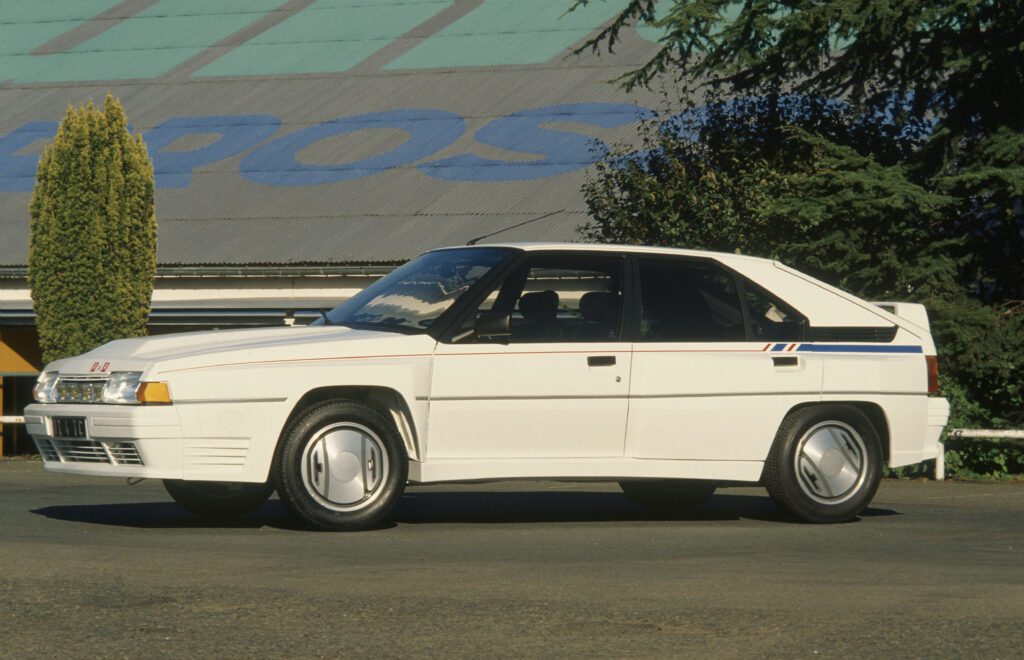
The BX 4TC was an unusual Group B homologation car in that it required fundamental re-engineering of an existing production platform. While the standard BX employed a transversely mounted engine driving the front wheels, the 4TC adopted a longitudinal layout to accommodate a four-wheel-drive transmission. This change necessitated a dramatically extended front overhang, giving the car its distinctive proportions and contributing to a heavily front-biased weight distribution.
Power came from a turbocharged 2.1-litre four-cylinder engine derived from a Simca unit originally designed for rear-wheel-drive applications. In road trim it produced around 200 bhp, but its size and forward placement added significant mass ahead of the front axle, limiting agility and complicating suspension tuning.
Unlike most of its Group B contemporaries, the BX 4TC retained Citroën’s hydropneumatic suspension system, adapted for rally use to provide ride height variability and compliance over rough surfaces. While theoretically advantageous, the combination of complex suspension, longitudinal drivetrain packaging and limited development time left the car overweight and difficult to balance. Citroën built the required homologation run, but the programme was abandoned early, leaving the BX 4TC as a rare and instructive example of how Group B punished compromise as much as it rewarded innovation.
Toyota Celica Twin-Cam Turbo (TA64)
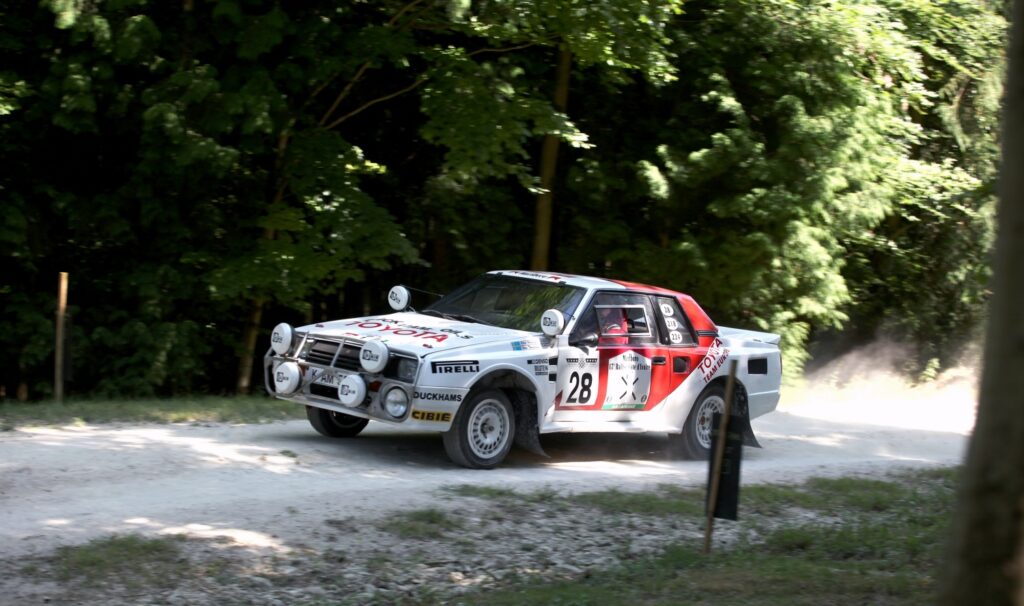
Toyota’s Group B challenger took a more conservative route than many rivals. The Celica Twin-Cam Turbo retained a front-engined, rear-wheel-drive layout, powered by a turbocharged 2.1-litre four-cylinder engine producing around 180 bhp in road form. Its steel monocoque and conventional suspension marked it out as evolutionary rather than radical.
While ultimately outclassed by four-wheel-drive opposition, the Celica proved reliable and competitive in endurance events. The homologation cars were well finished and usable, reflecting Toyota’s production-led engineering philosophy. In hindsight, it represents the end of an era before Group B’s excesses fully took hold.
Lancia Rally 037 Stradale
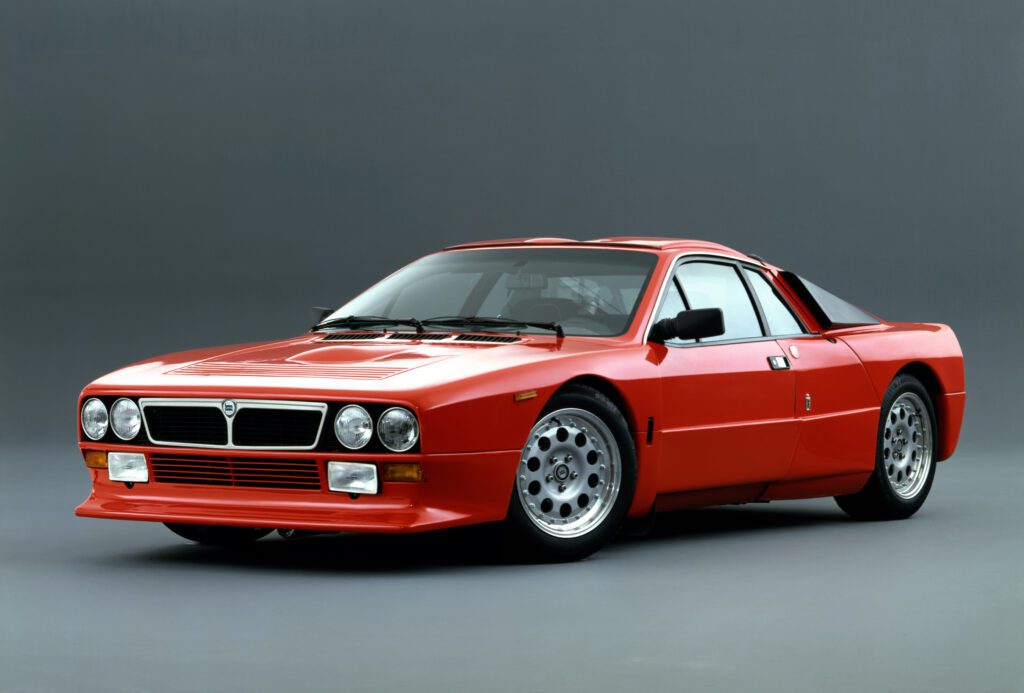
The Rally 037 Stradale occupies a unique place in Group B history as the last rear-wheel-drive car to win the World Rally Championship. Homologation required Lancia to build around 200 road cars, each featuring a mid-mounted, supercharged 2.0-litre four-cylinder engine producing approximately 205 bhp. Power was delivered through a five-speed manual gearbox, with weight kept low through extensive use of composite body panels.
On the road, the 037 Stradale was raw and demanding, with limited refinement and a cabin that prioritised function over comfort. Its significance lies not only in its engineering but in its timing – a reminder that driver skill and chassis balance could briefly still triumph over four-wheel drive before the category’s technological escalation rendered such approaches obsolete.
Mazda RX-7 Group B
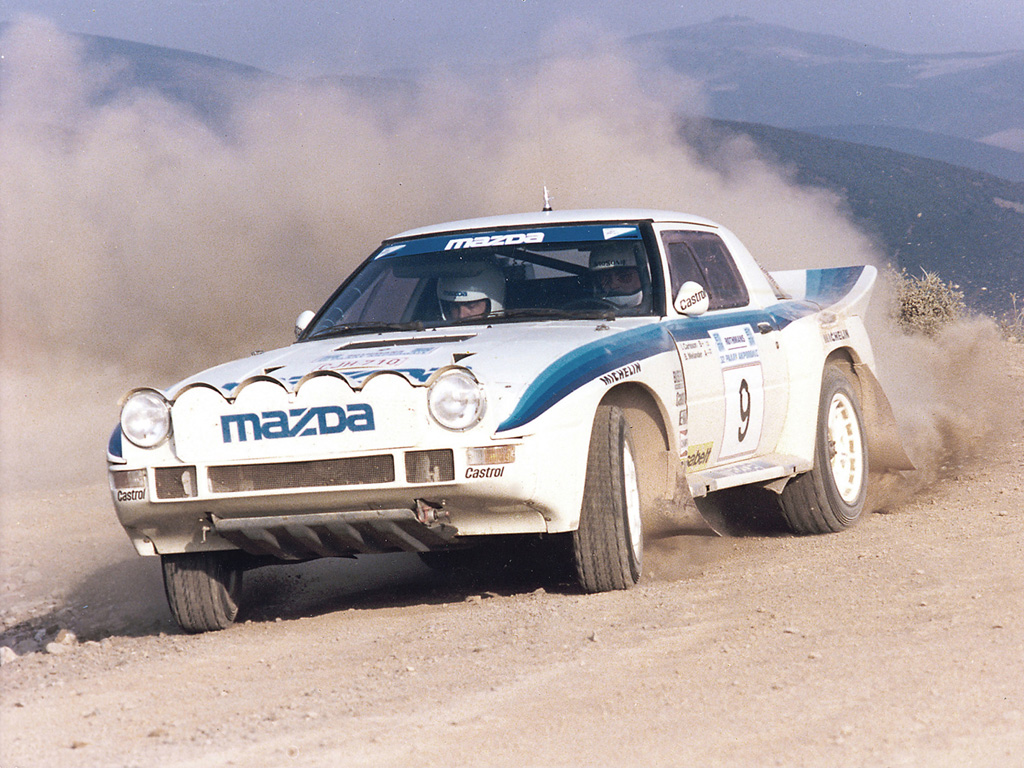
Mazda’s Group B programme centred on the first-generation RX-7, adapted to meet homologation requirements for rallying. The road cars retained the naturally aspirated 1.1-litre twin-rotor rotary engine, producing around 135 bhp, driving the rear wheels through a lightweight chassis.
While lacking the outright power and traction of four-wheel-drive rivals, the RX-7 benefited from excellent balance and reliability. Its rally success was limited, but it demonstrated the flexibility of the Group B regulations and Mazda’s willingness to pursue an alternative engineering philosophy. The homologation cars remain notable as one of the few rotary-powered entrants in the category.
Nissan 240RS
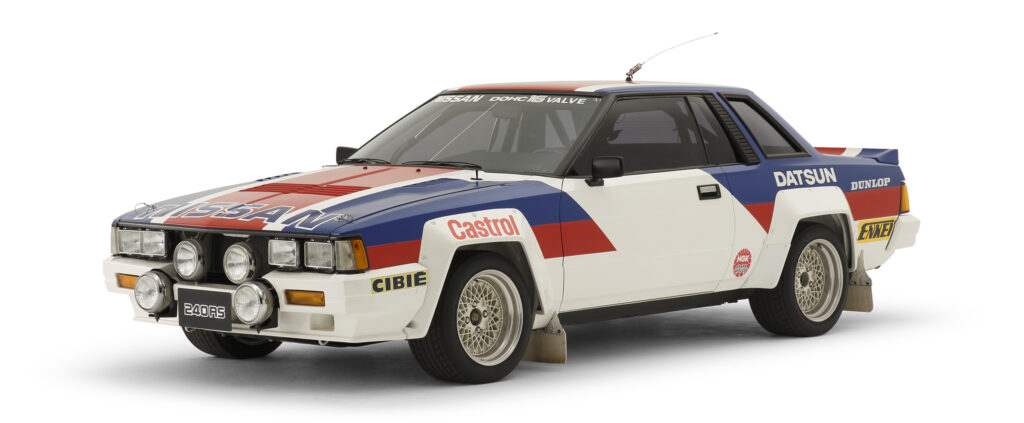
The Nissan 240RS was one of the last naturally aspirated, rear-wheel-drive cars to contest Group B at world level. Powered by a 2.4-litre four-cylinder engine derived from the brand’s circuit-racing programme, it produced around 240 bhp in competition form, with road cars significantly detuned.
Homologation examples were sparse and purposeful, though far less radical than contemporary European rivals. The 240RS proved durable and competitive in endurance rallies, particularly outside Europe. Its presence underscores how quickly Group B left conventional engineering behind, rendering capable but conservative designs obsolete almost overnight.