

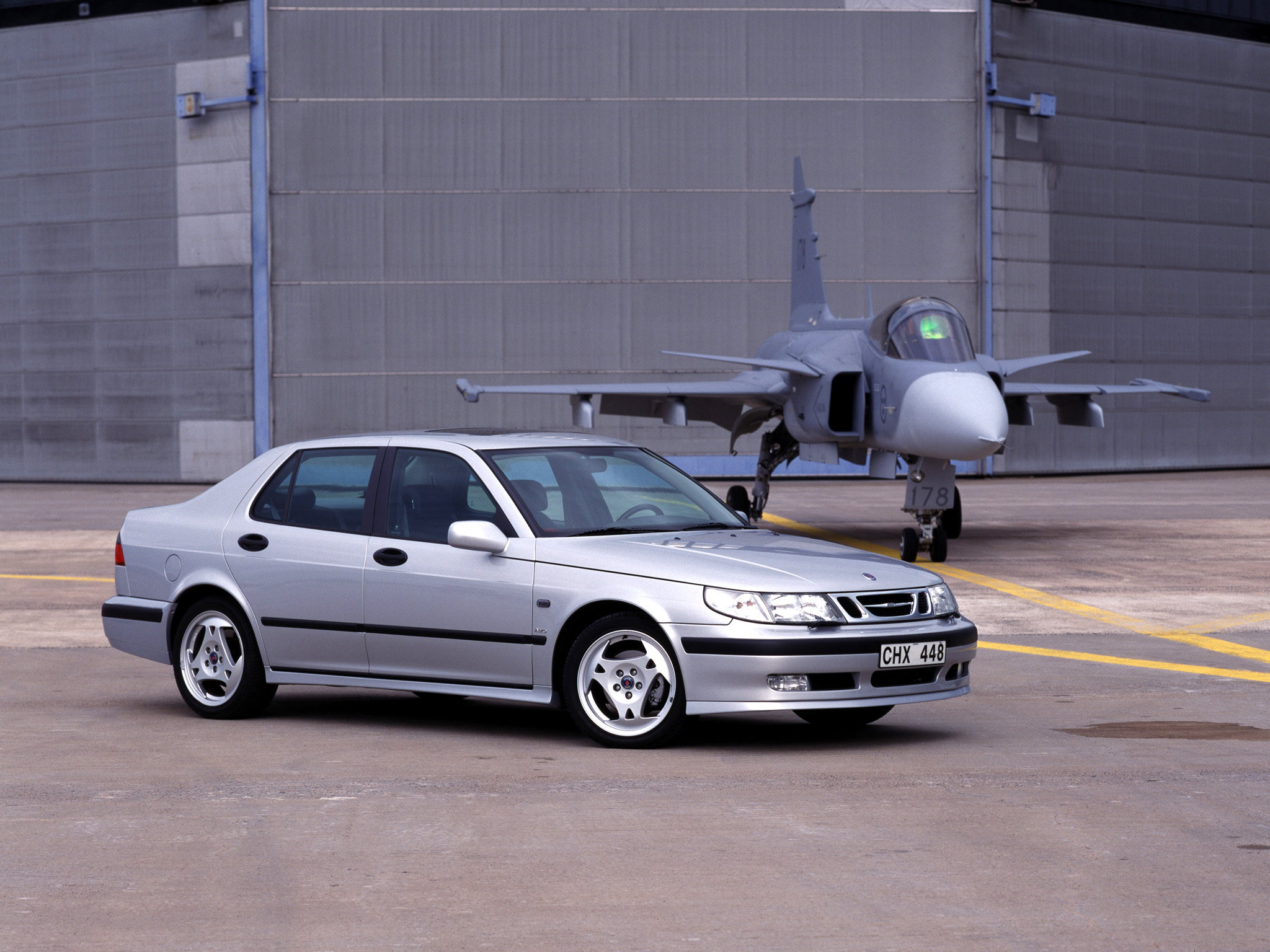
The Saab 9-5 Aero is one of the great understated performance saloons of the modern-classic era. Launched as the flagship 9-5 in 2000, it combined a turbocharged 2.3-litre four-cylinder engine with long-distance comfort, discreet styling and genuine motorway pace. Today it remains good value, but rust, neglect and ageing electronics mean buying the right car matters more than chasing the cheapest one.
The first-generation Saab 9-5 arrived in 1997 as the replacement for the 9000, with the Aero following as the performance model. Early cars used the B235R engine in 227bhp form, before output rose to 247bhp from 2002. Later cars gained a final increase to 256bhp, with torque remaining a defining part of the car’s character at 273lb ft. Manual cars also had an overboost function on some versions, briefly lifting torque beyond the standard figure.
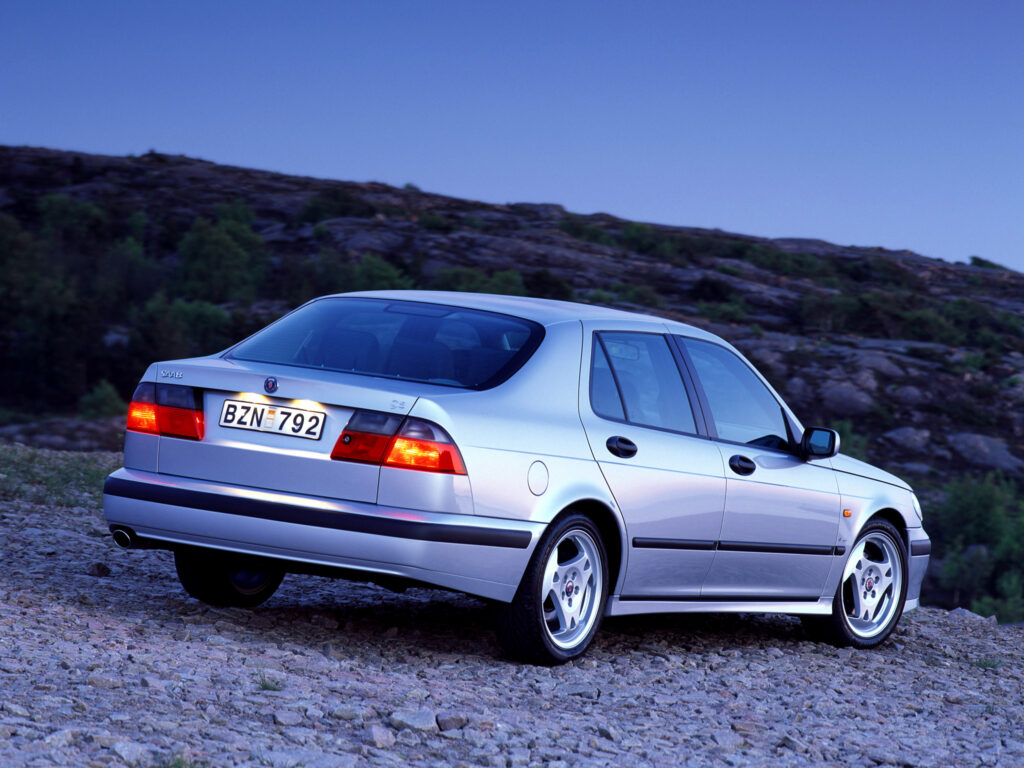
The appeal of the 9-5 Aero was never about track-day precision – this was a fast, front-wheel-drive executive car built around overtaking ability and relaxed high-speed cruising. The 2.3-litre turbo engine delivers strong mid-range shove, and in manual form the Aero could reach 60mph in the mid-six-second bracket, with top speed limited to 155mph.
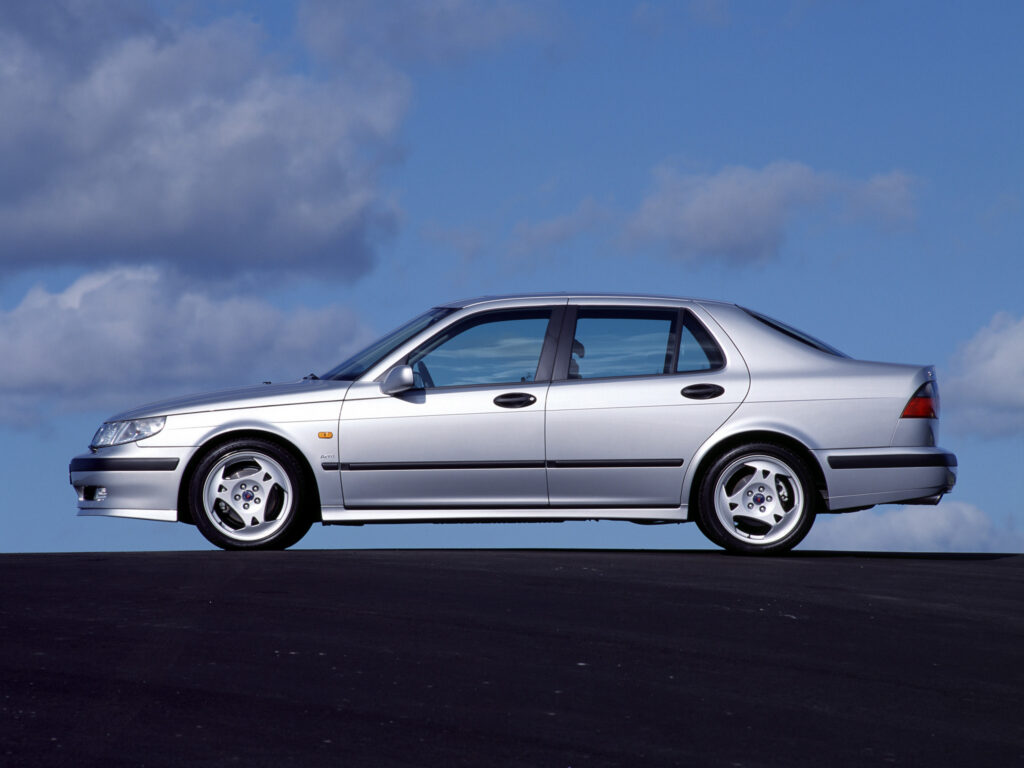
Saab’s chassis tuning gave the Aero firmer suspension than lesser 9-5s, but it still rides with more compliance than most German rivals. The steering is accurate rather than feelsome, and hard use can expose torque steer, worn bushes and tired dampers. At its best, though, the Aero has a distinct character: stable, comfortable and unexpectedly rapid across long distances.
The cabin is central to the appeal. Saab’s aircraft-inspired ergonomics, clear instruments, supportive seats and night-panel function all give the 9-5 a personality that rivals often lack. Ventilated seats were available on some high-spec cars, while estates add an enormous load bay. Build quality is generally strong, but age, sun damage and worn pixels in displays can now make interiors look scruffier than the mechanical condition underneath.
Saab 9-5 Aero buying info
- Early 9-5s are known for oil-sludge issues, especially where oil changes were missed or poor-quality oil was used. Look for evidence of frequent servicing, fully synthetic oil and ideally proof that the sump has been removed and cleaned. Timing chains can rattle on neglected cars, while oil leaks, tired turbochargers and blocked breather systems should all be investigated.
- The Direct Ignition Cassette is another known weak point. This acts as the coil pack and can fail suddenly, which is why some owners carry a spare. Genuine replacements are preferable; cheap pattern parts can cause further problems.
- Manual gearboxes are generally strong, but check for clutch slip and worn engine mounts, particularly on tuned cars. Automatics suit the Aero’s character, but changes should be smooth and decisive. Any thumping, slipping or limp-mode behaviour should be treated with caution.
- Rust is now one of the biggest issues. Check the rear arches, sills, subframes, suspension mounts, floor edges and the lower sections of the doors. Estates can also suffer around the tailgate and rear load area. A car that looks tidy above may still be corroded underneath.
- Suspension wear is common. Listen for knocks from the front end, check rear bushes and inspect the condition of dampers, springs and anti-roll bar links. A well-sorted Aero should feel stable and settled; wandering, crashing or vibration usually points to deferred maintenance.
- Modified cars are common. Mild ECU upgrades can work well if carried out by a Saab specialist, but high-boost cars need evidence of supporting maintenance. Original, unmodified cars are now more desirable, especially manual saloons and clean estates.
Prices and market trends
The Saab 9-5 Aero remains affordable, but good cars are becoming harder to find. In the UK, usable Aeros still appear from around £2500-£4000, though these often need cosmetic or mechanical work. Well-maintained examples usually sit around £5000-£8000, while exceptional low-mileage cars, rare colours, manuals and clean estates can push beyond £10,000.
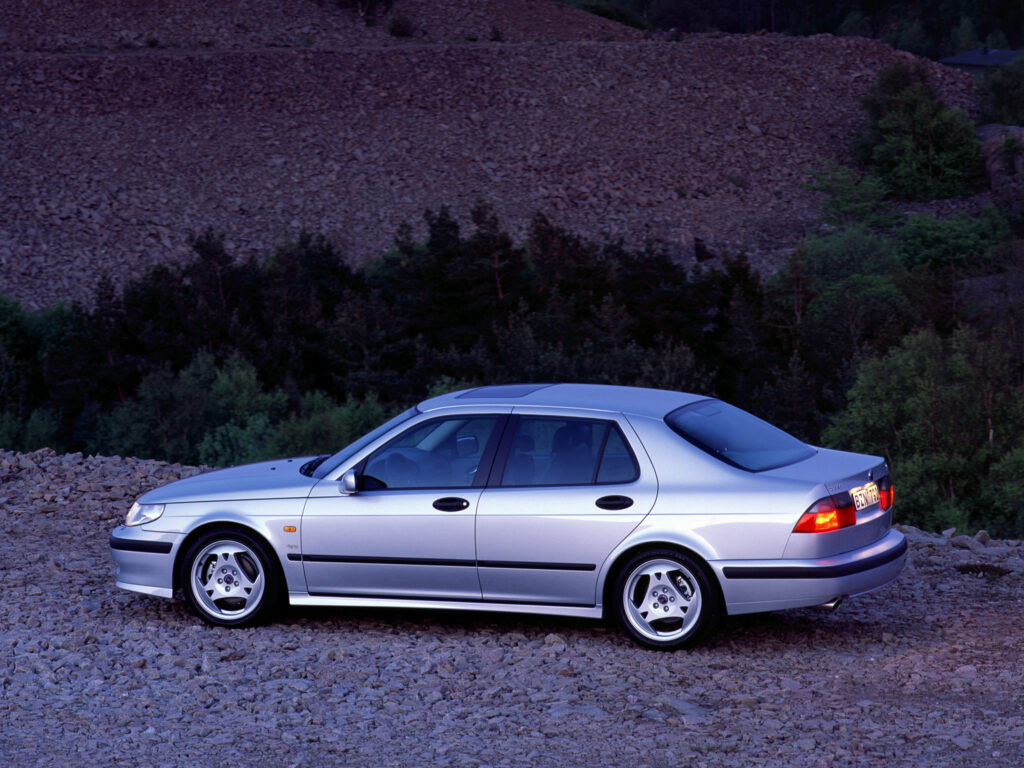
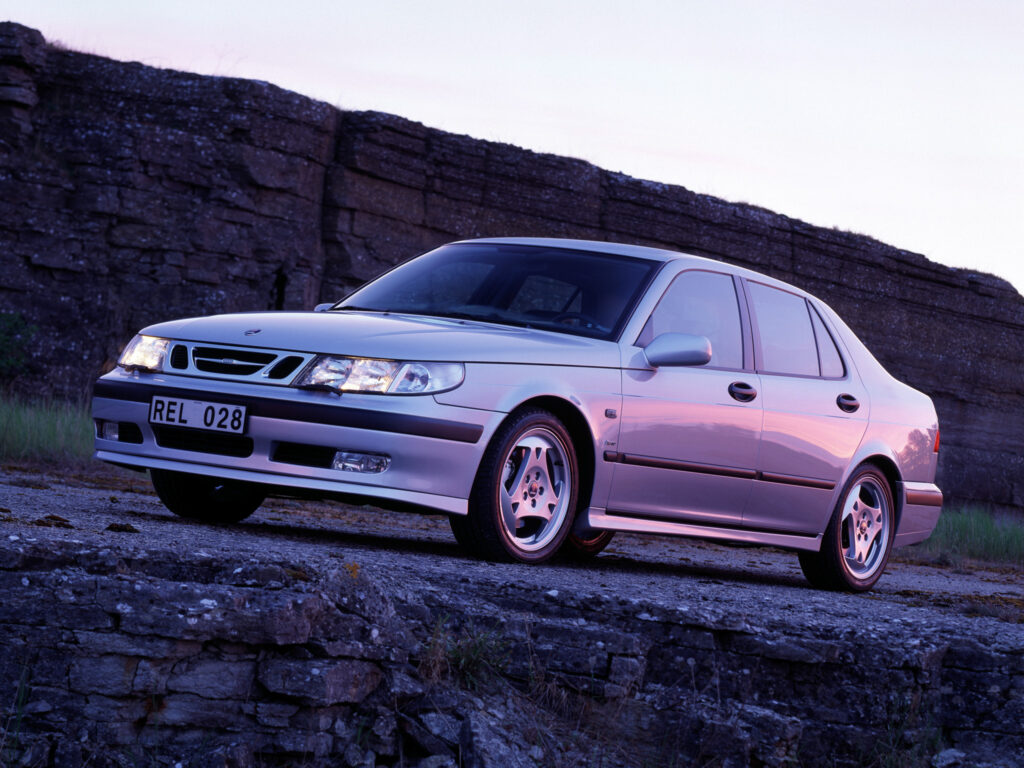
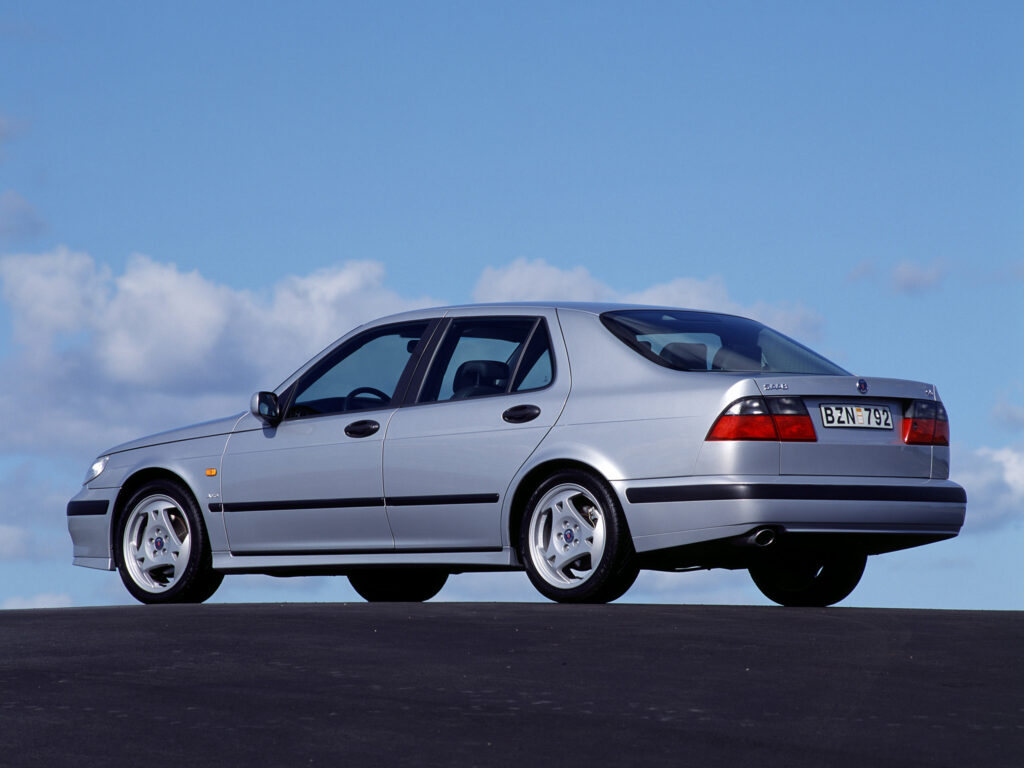
Broader price-guide data suggests the 9-5 as a model averages around £6230 in the UK, while US auction data gives an average of $11,150 across the 9-5 market. A 2005 9-5 Aero saloon sold for $9195 in 2025, which gives a useful indication of where good but usable cars sit internationally.
The Aero is unlikely to become a high-value collector car overnight, but its combination of rarity, usability, performance and Saab character makes it one of the more interesting affordable modern classics. The best cars are already separating themselves from neglected examples.
Saab 9-5 Aero specifications
| Production years | 2000–2010 |
| Engine | 2290cc turbocharged inline-four, B235R |
| Power | 227bhp early cars; 247bhp from 2002; 256bhp later cars |
| Torque | 273lb ft |
| Transmission | Five-speed manual or automatic |
| 0-60mph | Around 6.5-6.9 seconds |
| Top speed | 155mph |
| Length | 4827mm |
| Width | 1792mm |
| Wheelbase | 2703mm |
| Weight | Around 1590kg, depending on specification |
| Body styles | Saloon and estate |
Saab 9-5 Aero tuning
The Saab 9-5 Aero has always been popular with tuners thanks to the strength of the B235R engine and the ease with which additional power can be extracted. Even a basic ECU remap can lift output comfortably beyond 300bhp while retaining good drivability, making the Aero one of the easiest modern classics to modify for meaningful real-world performance gains.
Much depends on the condition of the engine before modifications begin. Cars with incomplete service history, sludge-related wear or tired turbochargers should not simply be turned up for more boost. Well-maintained engines, however, are capable of handling substantial increases in power when properly supported.
Stage one upgrades typically consist of ECU software and can transform mid-range performance without dramatically affecting reliability. Beyond this, larger intercoolers, freer-flowing exhaust systems and upgraded intake components are common. Some owners also fit larger turbochargers from later Aero or Hirsch Performance models.
The five-speed manual gearbox generally copes well with moderate tuning, although aggressive launches and very high torque outputs can shorten clutch life. Automatic cars are less tolerant of major increases in torque and tend to suit milder upgrades.
Suspension modifications are equally common. Uprated dampers, poly bushes and improved anti-roll bars help control body movement and sharpen turn-in, although excessively stiff setups can spoil the car’s long-distance character. Good tyres also make a considerable difference to front-end grip and torque steer.
Factory-backed Hirsch Performance upgrades are particularly desirable today. These dealer-approved packages offered modest power increases while retaining OEM drivability and reliability, and they now add interest and value among Saab enthusiasts.
At the more extreme end, heavily modified 9-5 Aeros producing 400bhp or more are not uncommon within the Saab tuning world. However, the cars that tend to feel most complete are often those with sympathetic upgrades that preserve the Aero’s original appeal as a fast, comfortable and understated long-distance performance car.